

Built on Science.
Driven by Purpose.
Designed for Genius.
Through our “Science of…” series, students explore how the brain works—and apply it through goal setting, reflection, and real-world learning.
The Science Behind How Students
Think, Learn, and Grow
At The Genius School, we don’t just teach subjects—we teach students how their brains work.
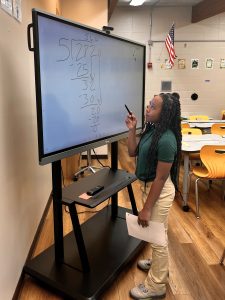
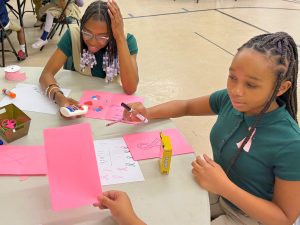
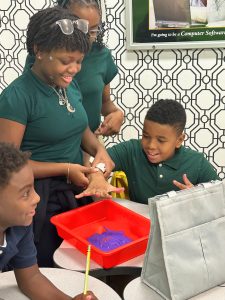
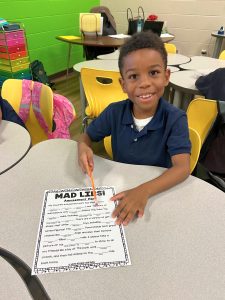
Through our “Science of…” series, students explore real ideas from neuroscience, psychology, and human development—and apply them to how they think, learn, and grow.
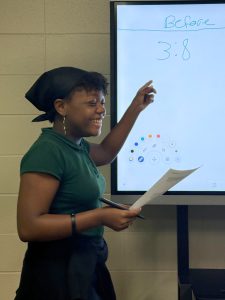
Using tools like mind maps, discussion, and presentations, students break down complex ideas and learn to explain them clearly.
They don’t just learn information—
they think about it, connect it, and teach it.
This is how learning becomes understanding.
The Science of Systems
Everything Is a System—Once You Learn to See It
In this unit, students learn that systems are made up of connected parts working together to achieve a goal.
Using mind maps, they explore how inputs, outputs, and interactions shape outcomes—and begin to recognize systems everywhere.
Instead of memorizing information, students learn to identify patterns, analyze structures, and think critically about how things work.
- Every system has inputs, outputs, and connected parts
- These parts communicate and work together toward a goal
- The way a system is designed determines the outcome
- Students learn to ask what caused something—not just what happened
- They identify patterns, relationships, and structures
- Mind maps help them organize and connect complex ideas
- Students begin to recognize systems in the body, history, and daily life
- They understand that what is emphasized shapes what people see
- This helps them think critically and question information
The Science of Goal Setting
Your Brain Grows When You Set and Reach Goals
Students learn that goal setting is not just a strategy—it’s a process that changes the brain.
Through concepts like neuroplasticity and motivation, they see how practice, effort, and repetition strengthen how they think and learn. As students set goals, track progress, and reflect, they build stronger habits and more effective ways of learning.
By breaking big goals into smaller milestones, students stay motivated and develop the discipline needed for long-term success.
- The brain rewires through practice and repetition (neuroplasticity)
- Small wins release dopamine, increasing motivation and focus
- Clear goals help the brain organize effort and track progress
- Students break big goals into smaller, achievable steps
- Repetition builds habits through cue, action, and reward cycles
- Consistent practice turns effort into automatic behavior
- Students set SMART goals and track their own progress
- They reflect, adjust, and explain their learning
- Over time, they take ownership of their growth and results
The Science of Meditation
Calm Is a Skill You Can Train
Students learn that meditation is not just about relaxation—it’s a tool for focus, regulation, and performance.
By studying how the heart and brain work together, they practice techniques like breathwork, visualization, and deep rest to manage stress and improve concentration. These strategies help students stay calm, think clearly, and be ready to learn.
- Breathwork techniques calm the body and lower heart rate
- The physiological sigh and other strategies reduce stress quickly
- Students learn how to shift their body from anxious to calm
- Students practice different types of focus (broad and narrow attention)
- Meditation strengthens concentration and awareness
- They learn to manage thoughts instead of being controlled by them
- Practices like deep rest (NSDR) help the brain recover without sleep
- Meditation changes brain states to support calm and clarity
- Students leave more focused, regulated, and ready to learn
The Science of Resilience
Resilience Is Built Through the Heart and Brain
Students learn that resilience is the ability to prepare for, adapt to, and recover from challenges.
By studying how the heart, brain, and emotions work together, they explore how their thoughts and feelings impact their performance. They learn that positive emotions strengthen focus and clarity, while stress can disrupt how the brain and body function.
Through this, students begin to understand how to manage themselves—especially in difficult moments.
- The heart and brain are constantly communicating
- Emotions directly impact heart rate, focus, and decision-making
- Coherence helps the body and brain work together more effectively
- Positive emotions like joy, love, and gratitude recharge the system
- Negative emotions and stress drain energy and focus
- Students learn how to recognize and shift their emotional state
- Breathing and reflection help reset the brain and body
- Students practice moving from reaction to control
- Over time, they build the ability to respond with clarity and intention










Built on Science.
Driven by Purpose.
Designed for Genius.
Through our “Science of…” series, students explore how the brain works—and apply it through goal setting, reflection, and real-world learning.